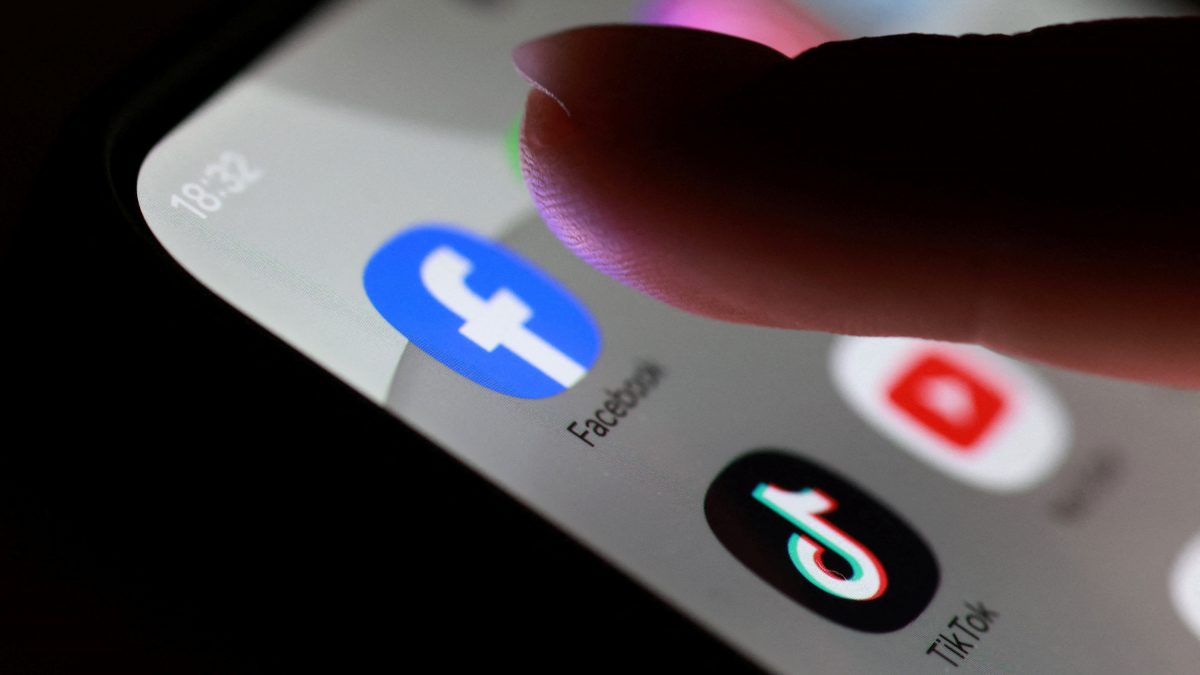
 "Meta Messenger website shutdown: Facebook retires its standalone messaging platform")
Meta is officially winding down its standalone Messenger website, marking the end of a decade-long attempt to keep the chat service separate from Facebook.
Starting April 2026, messenger.com will no longer be accessible, and users will be redirected to Facebook’s own messaging page to continue their conversations.
According to a help page on Meta’s website, those visiting messenger.com will be automatically sent to facebook.com/messages.
“After messenger.com goes away, you will be automatically redirected to use facebook.com/messages for messaging on a computer. You can continue your conversations there or on the Messenger mobile app,” the help page states.
“If you currently use Messenger without a Facebook account, you can continue your conversations on the Messenger mobile app,” it added.
Meta has assured users that their chat histories can still be recovered on any platform by entering the PIN linked to their backups, with a reset option available for anyone who has forgotten it.
This latest decision follows Meta’s earlier move to discontinue its desktop Messenger apps for Windows and Mac, which had already prompted many users to return to the Facebook website for messaging. The shift was first spotted by reverse engineer Alessandro Paluzzi, and Meta has begun alerting users through pop-up notifications on both the website and the app.
For Meta, the consolidation is a practical one. Maintaining multiple desktop and web platforms comes with costs, and simplifying operations helps streamline product development.
The company’s decision also fits within a broader strategy to tighten integration between Facebook, Instagram, and WhatsApp, its three key messaging products.
Quick Reads
View AllOriginally launched in 2008 as Facebook Chat, Messenger became a standalone service in 2011. By 2014, Facebook had even removed chat functions from its main mobile app to drive users to Messenger.
Yet the tide turned again in 2023, when Meta began merging Messenger back into the Facebook app. The upcoming shutdown of messenger.com completes that circle, folding one of Meta’s most recognisable apps back into the platform that started it all.


 "Iran War News Live: Azerbaijan withdraws envoys from Iran after drone strike on its airport")
 "'Hopeful not confident': Finnish President on a peace deal between Russia and Ukraine")
 "Decision to attack Iran taken after Modi had left the shores, says Israeli foreign minister")
 "Why US has given India a 30-day waiver to buy Russian oil")
 "Iran War News Live: Azerbaijan withdraws envoys from Iran after drone strike on its airport")
 "'Hopeful not confident': Finnish President on a peace deal between Russia and Ukraine")
 "Decision to attack Iran taken after Modi had left the shores, says Israeli foreign minister")
 "Why US has given India a 30-day waiver to buy Russian oil")